Making Space for Grief: Normalizing Cancer-Related Loss on World Mental Health Day
World Mental Health Day on October 10th, is a vital reminder that mental health is not something we reflect on just once a year - it is an ongoing part of our daily lives. When facing a cancer diagnosis, emotional well-being and mental health support are essential components of care and healing.
At Flatwater, we observe World Mental Health Day by shining a light on a deeply personal yet universal experience in the cancer journey: loss and grief.
Where Grief Begins: Primary Loss
A primary loss is the main, initial event or major life change that causes grief. When people think of loss in the context of cancer, physical and visible representations often come to mind first - such as physical changes in the body or the heartbreak of passing.
When it comes to grief, it can be easy to focus on the one, big, central loss that someone is experiencing. And yet, grief has more complexity than that. The reason grief can feel like it upends every area of life is that a primary loss can activate ripples of subsequent losses (known as secondary losses) that aren’t as tangible or visible - things like finances, friends, community, worldview, faith, and sense-of-self, to name just a few.

Beyond the surface: Secondary losses
A cancer diagnosis brings a cascade of secondary losses that are incredibly significant, yet oftentimes carried in silence.
Some examples of secondary losses related to a cancer diagnosis are:
Loss of Identity & Sense of Self: Transitioning overnight into the role of a “patient”,“caregiver”, or “care partner” can disrupt someone's sense of self, career trajectory, and personal independence.
Cognitive Changes ("Chemo Brain"): Shifts in memory, focus, and concentration can make daily routines and professional responsibilities challenging, adding emotional frustration.
Financial Stress: The staggering financial burden of medical treatments and time off work often leads to a loss of financial security and stability.
Loss of Certainty & Routine: Cancer shifts family dynamics, future plans, and daily expectations, creating an ongoing wave of emotional adjustment.

Honor your grief journey
Recognizing that grief is complex and encompasses both tangible and intangible losses is an important step towards understanding ourselves and each other. Grief is a unique and evolving experience that isn’t linear and that doesn’t follow a set timeline. Our grief journeys deserve space, validation, and compassion - from ourselves and from each other.
Resources & Healing
Navigating the emotional weight of cancer doesn’t have to be done alone. Having specialized mental health resources within reach can provide us with a dedicated space to process grief, express fears, and build coping mechanisms.
Supportive resources for individuals, couples, and families facing cancer include:
Mental Health Therapy: Working with a licensed mental health provider who is knowledgeable in trauma and oncology helps individuals, couples, and families process grief and adapt to life's changes. Flatwater has intentionally cultivated a dedicated provider network of licensed mental health therapists who are passionate about supporting individuals touched by cancer. Please reach out to us if we can be helpful for you or someone you love.
Support Groups & Community: Joining a support group for patients, survivors, or caregivers offers shared understanding and validation from peers on similar paths. Connecting with others provides encouragement and helps ease the isolation of challenging times. In a previous blog post, we shared information about support groups that may also be helpful - Find Your Cancer Support Group in Central Texas.
Moving forward together
This World Mental Health Day, we invite you to take a step toward healing and community. If you or someone you love is navigating cancer-related loss, please know you don't have to carry it alone. Reach out to Flatwater to get connected with specialized mental health support, or share this post with someone who might need to know that their grief is seen, valued, and supported.
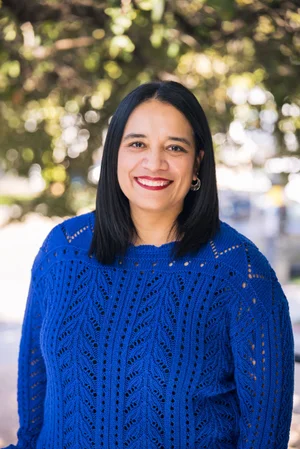
By Becky Morales, LCSW-S, CSWM
Chief Mission Officer, Flatwater