November marks National Family Caregivers Month - a time to honor those who quietly hold families together when cancer enters the picture. Supporting a loved one through a cancer diagnosis is an act of devotion, but it is also one of the most demanding journeys a person can take on.
At Flatwater, we see you. We know cancer reshapes entire networks of family and friends - especially the caregivers showing up day in and day out.
The invisible labor of cancer caregiving
Because caregiving comes without a manual, daily life quickly becomes a constant juggling act across several demanding fronts:
Logistics & Administration: Managing intricate medication routines, organizing visits, sorting out insurance, and keeping detailed track of symptoms.
Mental Load & Decision Fatigue: Researching treatment routes, anticipating needs before they arise, and keeping track of the small details so your loved one doesn't have to.
Emotional Regulation: Processing shock and fear in quiet moments while striving to project steady strength for those around you.
Carrying this weight without a clear end in sight can make caregiving feel like an endless marathon. Over time, quietly shouldering this burden takes a real toll.
Understanding Caregiver burnout
Burnout isn't a personal fault or a reflection of a loved one’s commitment. It happens when support is isolated rather than shared.
When demands outweigh capacity, key warning signs often emerge:
Constant fatigue or irregular sleep patterns
Putting off basic meals, doctor appointments, or personal wellness
Feeling anxious, irritable, or emotionally detached
Holding back from asking for help to avoid imposing on others
Recognizing burnout isn't a sign of failure - it simply signals that your support system needs reinforcement.
Reframing Self-Care: Essential Maintenance, Not an Indulgence
Caregivers often mistake self-care for self-indulgence. In truth, it is essential maintenance. Much like running a vehicle on empty, you can't effectively care for someone else when your own reserves are exhausted.
Practical Coping Strategies & Grounding Practices
Prioritizing Physical Basics:
Nourish Consistently - Eat something restorative every few hours, and keep water nearby during long appointments.
Take Micro-Breaks - Step away for 5 to 10 minutes to sit quietly or stretch, even when a full night's rest isn't feasible.
Lightening the Mental Load:
Write It Down - Keep a designated journal or digital notes app for questions and tasks rather than holding everything in memory.
Set Communication Boundaries - Delegate updates to a trusted contact or use shared platforms so you aren't constantly answering questions.
Creating Space for Emotions:
Find an Outlet - Whether through journaling, therapy, or a trusted friend, give yourself a safe space to express worries without a filter.
Release Forced Positivity - Feeling overwhelmed or angry is completely natural. Acknowledging difficult feelings prevents them from building up.
Moving from Solo Endurance to Collective Care
Caregiving was never meant to be a solo effort. Collective care shifts the dynamic - moving away from expecting one person to handle everything toward sharing responsibility across a community.
Asking for Specific Support
When friends or family ask how they can help, general answers rarely turn into actionable support. Specific, concrete requests make it much easier for people to step in.
For instance:
"Could you drop off dinner on Thursday evening?"
"Would you be open to sitting with my loved one for two hours on Tuesday?"
"Could you help pick up a few groceries for us this week?"
Accepting help isn't a compromise of independence - it's an invitation for loved ones to share in supporting your household.
how Flatwater can help
Caregiving is deeply relational, making mental health support vital for staying grounded. Caregivers matter - not after everyone else's needs are met, but right alongside them.
At Flatwater, we recognize that a diagnosis impacts everyone involved. Mental health support is a crucial yet often overlooked part of dealing with cancer. We connect those affected by a diagnosis with qualified mental health therapists to support them in navigating cancer. You don't have to handle this journey alone.
If you or a caregiver you know could use support, learn more about our services at flatwater.org/our-program.
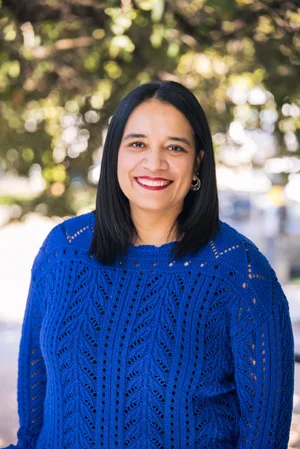
By Becky Morales, LCSW-S, CSWM
Chief Mission Officer, Flatwater